
Written by Anders Koefoed, Co-Founder & Head of Data
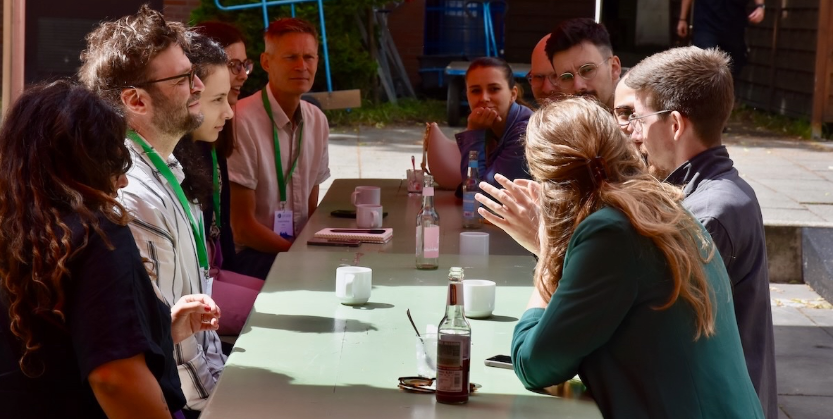
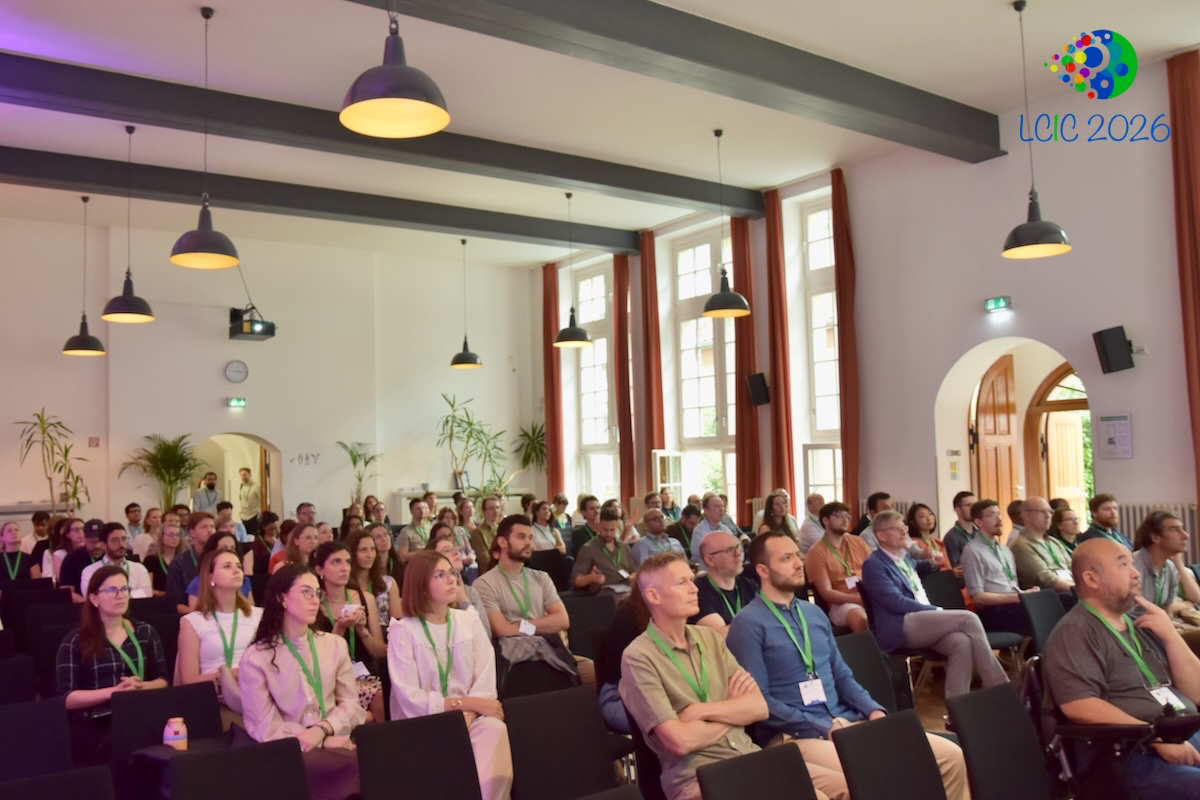
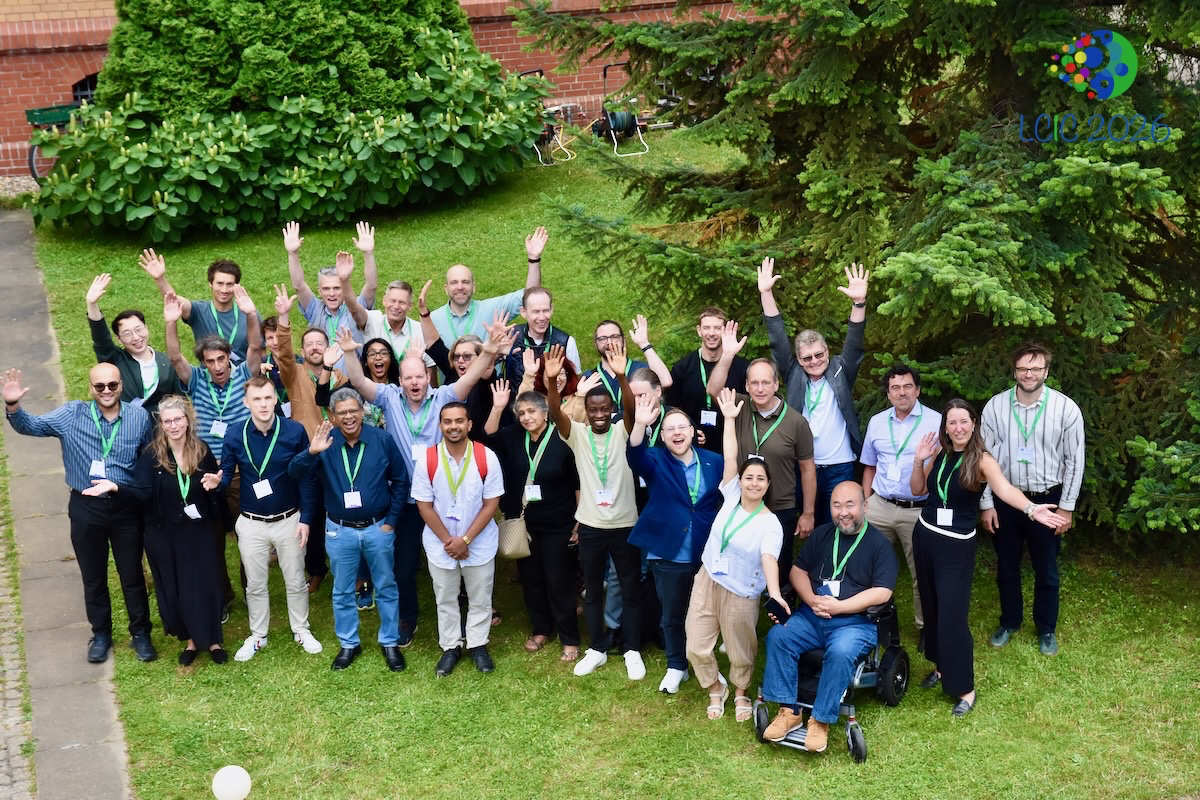
I spent the first three days of July in Berlin at LCIC, the Life Cycle Innovation Conference. Practitioners, researchers, and software developers gathered to work through the questions that don’t have easy answers yet. Here are the things that stayed with me.
 AI is entering LCA carefully
Several sessions explored how large language models and automated data tools can support life cycle inventory work like structuring data, generating confidence scores, and eventually feeding Digital Product Passports directly from production sensors. The ambition is real but the claims that AI will save enormous amounts of emissions are, in most cases, based on assumptions that don’t hold up under scrutiny. The potential is genuine. The hype is running ahead of the methodology.
At the same time AI is also using large amounts of electricity, but it is still difficult to calculate. One presenter was explicit: we still cannot fairly distribute the environmental footprint of a prompt.
Uncertainties within electronics – the hardware for AI – also need to be researched. The purity of materials in electronic components is largely unknown, which can have a large impact on emissions.
What does “scaling LCA” actually mean?
This question generated one of the more honest debates of the conference. For some, scaling means making LCA accessible to SMEs. For others, it means moving from single product calculations to full portfolio assessments. Both are valid and they require very different things from the tools and standards we build. What most people agreed on: the missing ingredient is trust. C-level decision-makers won’t invest in LCA work if they can’t rely on the results being comparable and consistent. That’s a methodological problem as much as a communication one. And it’s one we think about every day at Målbar.
ISO 14044 needs revision, and the field knows it
The standard that underpins most LCA work can no longer be amended. It was written for a different era of data availability and doesn’t address modern LCA requirements clearly enough. Functional units, system boundaries, the distinction between declared and functional units. These are still interpreted differently across practitioners, tools, and product categories. The conference dedicated significant time to what a revised standard should look like, and what role PEF harmonisation can play in the interim. The EU’s commitment to pushing PEF through was questioned by participants outside Europe; a reminder that regulatory ambition and industry adoption don’t always move at the same pace.
Nature positive accounting is coming, but not yet to product level
One of the more forward-looking sessions explored ecosystem accounting: how biodiversity loss, water consumption, and land use can be quantified and, increasingly, monetised. The UN has developed a standard for this. The EU’s Joint Research Centre is working to integrate biodiversity into the EF4.0 database. The honest assessment from presenters: it will reach company and municipal level before it reaches individual products. But the direction is clear, and it complements LCA rather than competing with it. For those of us who think seriously about planetary boundaries, it’s a welcome development.
Three days is not enough to resolve the questions the LCA field is wrestling with. But it’s enough to be reminded that the field is wrestling honestly. What gives me confidence is that the field is asking the right questions. That’s usually where progress starts.


Sep 2026
Inspiration
Partnerships
PEF
Written by Målbar Team

Aug 2026
Communication
Inspiration
Written by Allan Foldberg Iversen, Head of Customer Relations

Jul 2026
Communication
News
Written by Sasisa Singarasah Bylov, Head of Communications & PR