
Written by Målbar Team
If you sell industrial products, you’ve probably noticed a line creeping into tenders that wasn’t there a couple of years ago: documented climate data, at product level, not a company-wide sustainability statement. Not every customer asks yet. Enough do that it’s worth having an answer before it becomes a condition rather than a question.
The trouble is that this is harder than it sounds. Product-level climate data means going product by product through materials, components and production methods, and the data you’d expect to lean on from suppliers is often incomplete or slow to arrive. It’s the kind of project that’s easy to postpone because it looks expensive and open-ended.
Armatec, a Nordic distributor of industrial products, ran into exactly this when a tender asked for climate documentation it didn’t have. Rather than answer that one tender and move on, the company decided to build the capability properly, using Målbar LCA.
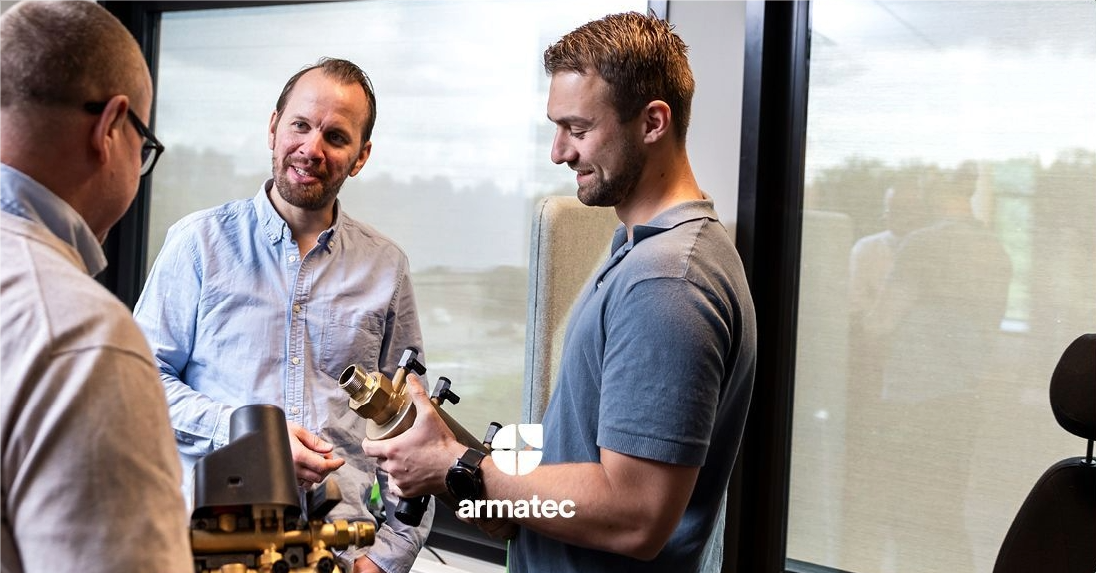
“We wanted to be in a position where we can deliver climate data to our customers, not just because someone asks for it, but because we believe it is the right direction and that it adds significant value to our customers- and their customers.” says Kåre Rasmussen, Armatec’s external ESG consultant.
What’s worth noting is that Armatec didn’t wait for complete supplier data before starting, and the project wasn’t left to run quietly in one department. It has backing at CEO level and is tied into the company’s existing ISO 14001 framework. Both of those choices turn out to matter more than the calculations themselves.
Read the full case to see exactly how Armatec built its first climate calculations without waiting on suppliers, how the work got anchored across the organisation, and what the company is doing with the data now.


Oct 2026
Inspiration
Partnerships
PEF
Written by Målbar Team
Aug 2026
Communication
Inspiration
Written by Allan Foldberg Iversen, Head of Customer Relations
Jul 2026
Insights
News
PEF
Written by Anders Koefoed, Co-Founder & Head of Data