
Armatec
Armatec distributes industrial products to customers who increasingly expect more than a good price and fast delivery. Some customers want to know what a product weighs on the climate account.
When the customer asks, you need to be ready
Armatec distributes industrial products to customers who increasingly expect more than a good price and fast delivery. Some customers want to know what a product weighs on the climate account.
Armatec decided early on to be ready for that conversation.
“We can document what our products emit. That is the knowledge our customers are beginning to need, and it is hard to build if you have not set up the structure.“
— Kåre Rasmussen, External ESG Consultant, Armatec
Armatec and the work on climate data
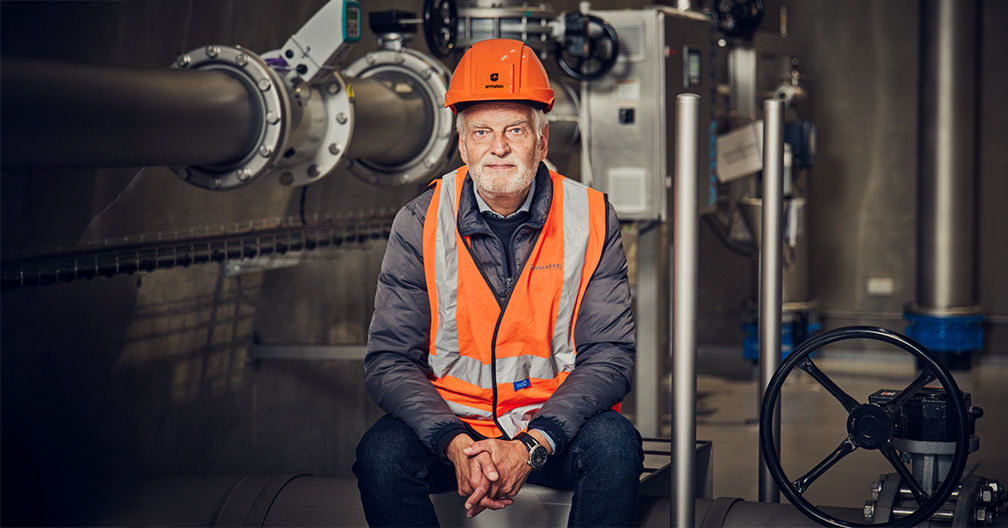
Armatec is a Nordic distributor of industrial products and part of Ernströmgruppen. The Danish organisation works with customers across industries who are increasingly requiring documented evidence of climate impact at product level. With ISO 14001 as its framework and Kåre Rasmussen serving as external consultant on green transition, Armatec decided to approach the task in a structured way.
Anna Mathilde Dahlmann, a student assistant with a background in Sustainable Design, handles the practical work. She uses Målbar LCA to translate the engineers’ product knowledge into structured climate calculations.
It started with a tender and grew into something larger
The starting point was concrete: a tender document requiring climate documentation. Kåre Rasmussen already knew Målbar from an earlier engagement and saw together with CEO Jens Brammer an opportunity for something beyond answering a single tender.
“We wanted to be in a position where we can deliver climate data to our customers, not just because someone asks for it, but because we believe it is the right direction and that it adds significant value to our customers- and their customers,” he says. The Swedish part of the group has also shown interest in LCAs for some time, and is now also part of the project.
From product list to calculation in practice
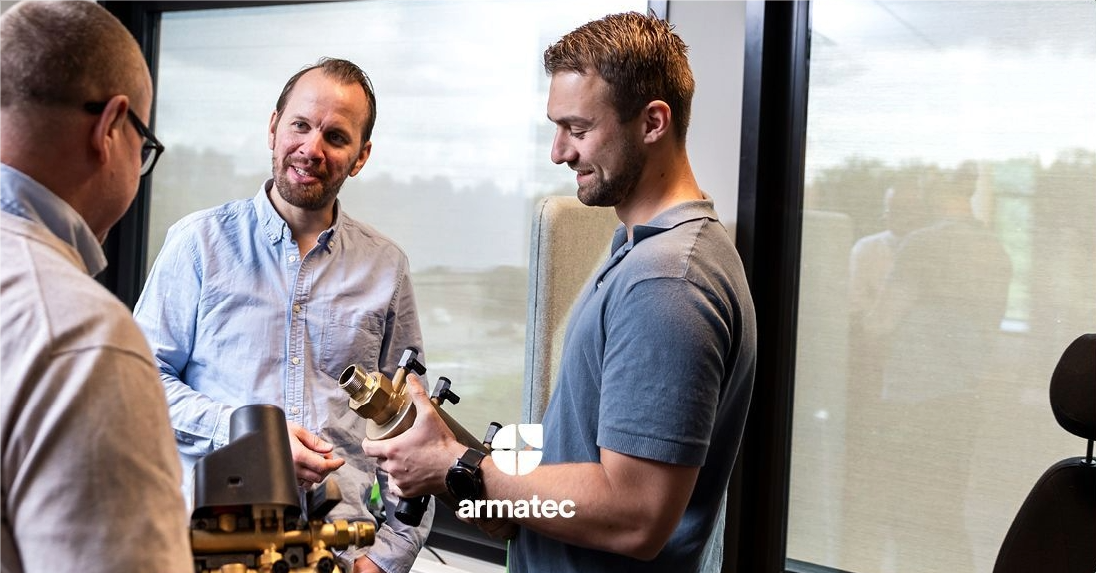
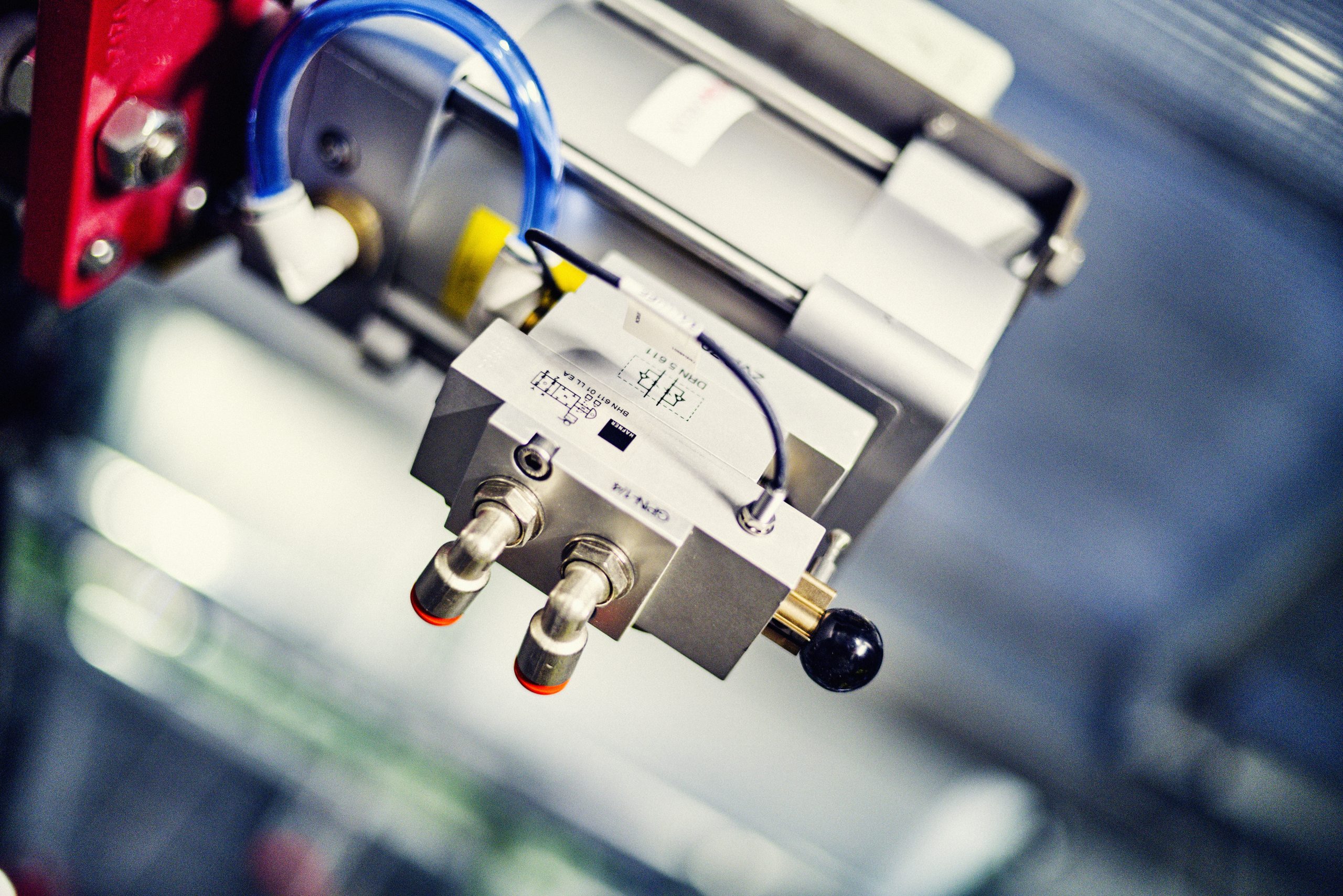
The work began with a list of products for which customers had already expressed an interest in climate data. Anna Mathilde Dahlmann started by building an understanding of each product: materials, components, production process.
Supplier data was not always available, so the calculations were built on something closer to home. “Getting data from suppliers is not straightforward, and you probably should not expect it to be. But the engineers here have a solid base of product knowledge that we have been able to build the calculations on,” she explains.
Working through that knowledge product by product produced results that went straight into the sales process.
“Having calculated climate data changes the conversations we can have, for example about sourcing. We can now show, concretely, that the same casting method produces a very different climate footprint depending on where it is made. That is a much stronger basis for a dialogue with customers than a general statement about responsible sourcing.”
— Anna Mathilde Dahlmann, Student Assistant, Armatec
Anchored at the top, spreading through the organisation
Armatec’s work on climate data is not a silo initiative. The decision to begin was taken by Armatec’s CEO Jens Brammer, and the project has been formally integrated into the company’s ISO 14001 action plans, meaning Armatec is held accountable for its targets by an external auditor.
Embedding the work across the organisation takes time. But the movement is under way. One department manager who had previously stayed on the sidelines recently came to Anna asking whether climate data was available for use in a tender. It was.
Ready for the next conversation
Armatec is continuing to extend the list of products with documented climate impact and to build that documentation into an active part of the sales process. The plan follows three phases: internal embedding across the organisation, direct dialogue with existing customers, and then a broader communications effort.
Denmark is leading within the group. The calculations Anna has built in Målbar can largely be reused across borders once the foundation is in place at home.
“We need to focus on fewer things that can genuinely make a difference. Climate documentation at product level is one of them, not just because customers are beginning to ask, but because it is knowledge that is hard to build, and it makes good sense to have it in place sooner rather than later.“
— Kåre Rasmussen, External ESG Consultant, Armatec
If your customers are starting to ask the same question, let’s talk.